The Barbie: A Handwritten Font with Genuine Character
When you're building a brand or crafting a project that needs to feel approachable and real, the typeface you choose does more heavy lifting than most people realize. The Barbie is a cute handwritten font that strikes a rare balance between playful energy and authentic warmth. It doesn't try to be overly polished or artificially whimsical. Instead, it carries the natural rhythm of actual handwriting, with the kind of charm that makes people pause and pay attention. For designers, entrepreneurs, bloggers, and creative professionals looking for a font that feels personal without sacrificing versatility, this one deserves a closer look.
What Makes The Barbie Stand Out
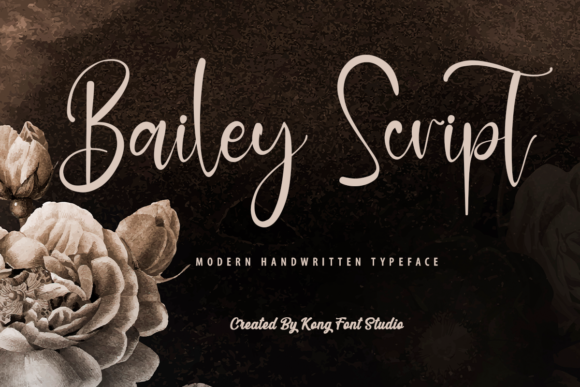
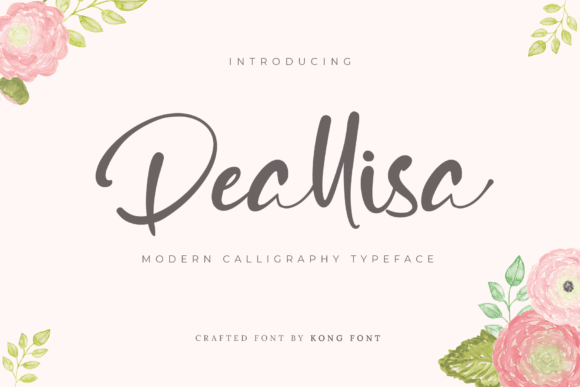
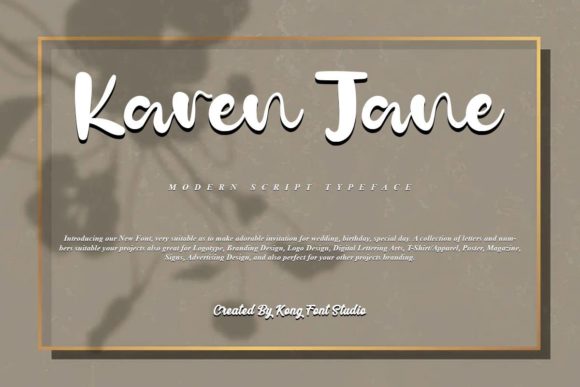
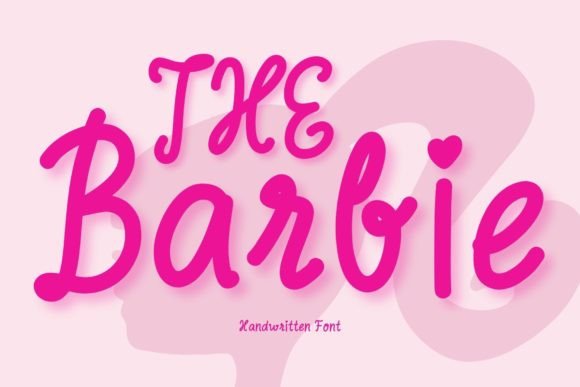
At its core, The Barbie is a handwritten font with personality baked into every stroke. The letterforms have a casual, organic flow that mimics real pen on paper rather than a digitized approximation of handwriting. You'll notice slight variations in weight and angle across the characters, which gives the font an authenticity that rigid script fonts often lack. It's legible enough for short-form content and expressive enough to serve as a display font in the right context.
The overall style leans toward modern typography with a friendly, approachable tone. It avoids the extremes of overly decorative scripts or minimalist sans serif fonts. Instead, it sits comfortably in that sweet spot where personality meets practicality. The characters are well-spaced, the x-height is generous enough for readability, and the baseline has a gentle wobble that keeps things feeling human rather than mechanical.
This kind of creative font works particularly well when you want to inject warmth into a design without crossing into territory that feels childish or unprofessional. It's a premium font in the sense that the craftsmanship is thoughtful and the details are refined, but it never feels stiff or corporate.
Where This Font Truly Shines
The beauty of The Barbie lies in its range. It's not a one-trick typeface locked into a single use case. Here's where it tends to perform best:
- Blog posts and editorial design: Pull quotes, section headers, and featured image overlays benefit from the handwritten feel. It breaks up the monotony of body text set in a serif font or sans serif font and draws the reader's eye to key moments in your content.
- Logo design and brand identity: For brands that want to feel approachable, artisanal, or personal, The Barbie works as a primary or secondary typeface. Think boutique shops, lifestyle coaches, handmade product lines, and creative studios. It communicates authenticity without trying too hard.
- Invitations and greeting cards: This is a natural fit. Wedding invitations, birthday cards, baby shower announcements, and holiday greetings all benefit from a handwritten font that feels genuinely warm rather than template-generated.
- Social media graphics: Instagram quotes, Pinterest pins, story overlays, and promotional posts gain personality when set in The Barbie. It stands out in feeds dominated by clean sans serif fonts and overly stylized display fonts.
- Packaging design: Small-batch products, artisanal goods, and specialty items often need typography that signals handcrafted quality. The Barbie delivers that message clearly without compromising legibility on labels and tags.
- Planners, photo albums, and decorations: For personal projects and crafters, this font adds a handmade touch to scrapbooks, journaling layouts, party decorations, and DIY printables.
- Ads and marketing collateral: Digital ads, email headers, flyers, and promotional materials can use The Barbie to inject personality into headlines and calls to action, especially when the brand voice is conversational and relatable.
How Typography Shapes Perception and Engagement
Choosing a font isn't just an aesthetic decision. It directly influences how your audience perceives your brand and whether they engage with your content. Typography affects visual hierarchy, readability, brand recognition, and even the emotional response your materials generate.
When you set a headline in The Barbie against a clean body font, you create an immediate contrast that guides the reader's attention. The handwritten style signals that the content is personal and approachable, while a structured body typeface ensures the supporting text remains easy to read. This kind of font pairing is a staple of modern typography, and it works because it mirrors how we naturally process information: we notice the expressive element first, then settle into the details.
For brand identity, consistency matters. If your logo uses The Barbie, carrying that font into your social media graphics, email templates, and printed materials creates a cohesive visual language. Over time, your audience begins to associate that specific handwritten style with your brand, which strengthens recognition and builds trust. It's a subtle but powerful form of brand reinforcement that many small business owners and content creators overlook.
There's also a professionalism consideration. A well-chosen handwritten font signals that you've put thought into your design choices. A poorly chosen one can make your materials look amateurish. The Barbie falls firmly in the first category. Its letterforms are balanced, its spacing is intentional, and its overall aesthetic is polished enough for commercial use while retaining genuine warmth.
Practical Guidance for Working with The Barbie
Before committing to any typeface, it's worth evaluating whether it genuinely fits your project. Here are some practical steps:
- Test it in context. Don't just look at the font in a specimen sheet. Set your actual headlines, taglines, and key phrases in The Barbie and see how they feel. A font that looks beautiful in isolation might not suit your specific message or audience.
- Review the included styles. Check whether the font comes with alternates, ligatures, or multiple weights. These extras can add variety and help you avoid repetitive letter shapes, which is a common issue with handwritten fonts.
- Pair it thoughtfully. The Barbie works well alongside neutral serif fonts and clean sans serif fonts. Avoid pairing it with another decorative or script font, as the competing personalities will create visual noise rather than harmony. A classic serif font for body text and The Barbie for accents is a reliable combination.
- Consider readability at small sizes. Handwritten fonts can lose legibility when scaled down. Use The Barbie primarily for headlines, titles, and display text rather than long paragraphs or fine print. If you need it for smaller applications, test it at the actual size you'll be using.
- Understand the licensing. If you're using The Barbie for commercial projects, verify that the license covers your intended use. Most premium fonts include clear licensing terms for personal and commercial applications, but it's always worth confirming before you launch a product or campaign.
- Check language support. If your audience includes multilingual readers, make sure the font includes the character sets and diacritical marks you need.
Making It Work Across Platforms
One of the practical challenges with any creative font is ensuring it renders well across different platforms and media. Web design requires fonts that load quickly and display consistently across browsers. Print design demands high-resolution letterforms that hold up at various sizes. Social media graphics need typefaces that remain legible on small screens and compressed images.
The Barbie handles these transitions well, but it's still worth testing. Preview your designs on mobile devices before publishing. Print a physical proof before sending anything to a production house. Compress your social media graphics and check that the font doesn't become muddy or illegible. These small steps prevent embarrassing mistakes and ensure your design assets look professional wherever they appear.
For entrepreneurs and small business owners building their own materials, The Barbie offers a practical advantage: it does a lot of the personality work for you. You don't need extensive design training to make something that looks inviting and intentional. Set your business name in The Barbie, pair it with a simple layout, and you have a visual identity that feels genuine and memorable. It won't replace a comprehensive brand strategy, but it gives you a strong starting point that doesn't require a massive budget or a design degree.
Ultimately, the right font is the one that serves your project's goals and resonates with your audience. The Barbie earns its place in a designer's toolkit because it delivers warmth, authenticity, and versatility without demanding compromise on quality or professionalism. Whether you're crafting a brand identity, designing marketing materials, or adding a personal touch to a creative project, it's a typeface worth exploring.