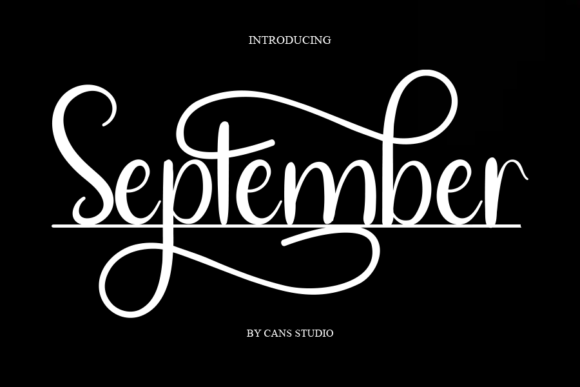
September: The Handwritten Font with Endless Charm
There’s a reason handwritten fonts never go out of style. They carry a human touch, a sense of personality that rigid digital typefaces often lack. Among the many available, September stands out as a particularly versatile and appealing option. It’s not trying to be overly ornate or complicated; instead, it offers a clean, friendly, and surprisingly adaptable script that can fit into a wide array of projects. If you’re looking for a premium font that feels personal without sacrificing professionalism, September is a strong contender worth exploring.
A Font That Feels Like a Thoughtful Note
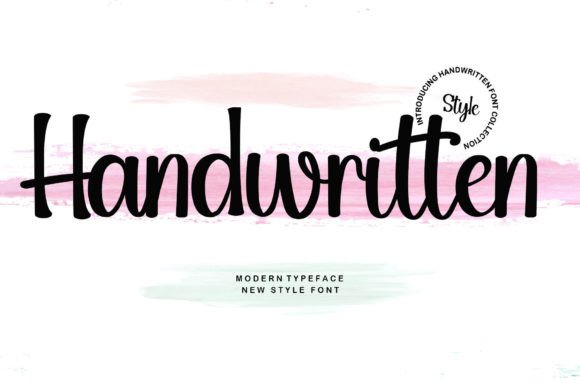
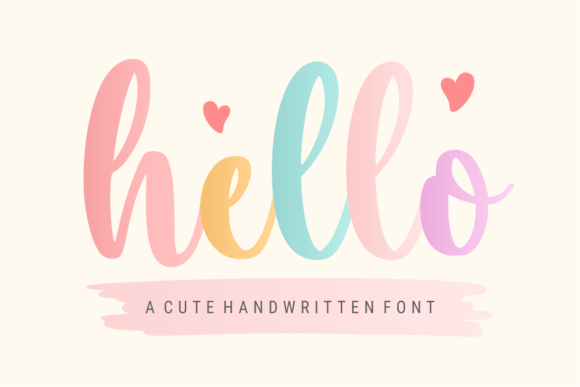
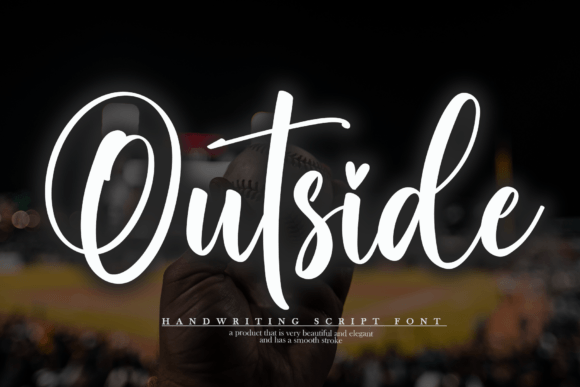
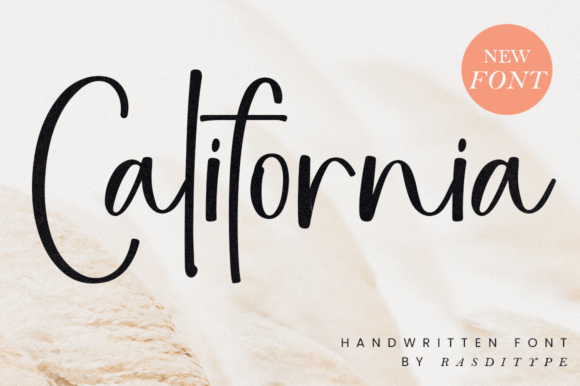
Visually, September strikes a beautiful balance. Its letterforms are consistent and legible, avoiding the chaotic loops and swashes that can make some script fonts difficult to read. The strokes have a natural, slightly varied weight, mimicking the effect of a pen held at a comfortable angle. This gives it an organic, approachable quality. It’s a handwritten font that feels authentic, like something you’d jot down in a journal or write on a card for a friend. The overall personality is optimistic, relaxed, and creative—perfect for projects that need to convey warmth and sincerity.
Where September Truly Shines
The real strength of September lies in its adaptability. It’s not a one-trick pony designed for a single niche. As a display font, it excels in contexts where you want to draw the eye and inject personality. Think about wedding invitations—September’s elegant yet accessible style sets a romantic and personal tone without being overly formal. It translates beautifully onto business cards for creative professionals, freelancers, and boutique brands, offering a memorable alternative to standard serif or sans serif fonts.
For social media graphics, September is a workhorse. Its clarity ensures text remains readable in fast-scrolling feeds, while its charm helps posts stand out. Use it for quotes, announcements, sale tags, or Instagram Story overlays. It’s equally effective in packaging design, especially for artisanal products, cosmetics, or food items where a handcrafted feel is part of the brand story. Bloggers and content creators can leverage it in editorial design for pull quotes, chapter headings, or featured image text to add visual interest and break up dense copy.
Don’t overlook its potential in logo design and brand identity systems. A logo set in September can immediately communicate a brand that is creative, approachable, and human-centric. Paired with a solid serif font for body text or a clean sans serif font for UI elements, it creates a dynamic and engaging visual hierarchy. For small business owners, this combination can make a brand feel both professional and personable.
Making September Work for Your Project
Choosing any creative font starts with understanding your project’s needs. September is fantastic for headlines, short phrases, and accent text. Where you need to exercise caution is in long paragraphs of body copy. While legible for a handwritten font, sustained reading at small sizes can still cause eye strain. Its strength is in the details—the personal touch it adds to a specific element.
Evaluating fit involves more than just aesthetics. Consider your audience. For a younger, creative demographic, September’s playful side will resonate. For a luxury brand targeting a sophisticated audience, its elegance can be emphasized through careful pairing and color. Test it thoroughly. Mock up your designs at the actual size they’ll be viewed. Check how it looks on both a high-resolution screen and printed on a textured paper stock.
Font pairing is where you can really unlock September’s potential. It plays exceptionally well with neutral, geometric sans serif fonts like Montserrat or Poppins. The contrast between the organic script and the clean, modern sans creates a balanced and professional look. For a more classic or literary feel, pairing it with a refined serif font like Lora or Merriweather can work beautifully. The key is to let September be the star in headlines or logos and use the supporting font for readability in longer text.
Before purchasing, review the included styles. Many premium fonts come with alternates, ligatures, and stylistic sets that offer additional customization. September may include different versions of certain letters or swashes that can help you fine-tune the look for a specific project. Always, always check the commercial font licensing. If you’re using it for a client project, a product for sale, or any commercial endeavor, you need to ensure the license covers that use. Reputable foundries make this information clear on their sales pages.
Integrating a Creative Font into Your Workflow
Once you have September, treat it as a valuable design asset. Create a style guide for your brand or project that specifies when and how to use it. Define its role: Is it for all headlines? Only for the logo? Only for special call-to-action text? Consistency is what transforms a nice font into a recognizable part of your brand identity.
For web designers, remember to consider performance and fallbacks. While September can elevate a web design, ensure it’s optimized and that you have a suitable web-safe or system font as a backup. In modern typography, the user experience is paramount; a beautiful font that slows down page load or fails to render isn’t serving its purpose.
Ultimately, September offers a rare combination of charm and utility. It’s a typeface that can help tell a more human story across your marketing, publishing, and creative projects. Whether you’re crafting a brand’s visual language, designing a memorable invitation, or creating engaging digital content, it provides that essential touch of personality that helps you connect with your audience on a more personal level. It’s not just about looking good—it’s about feeling right.