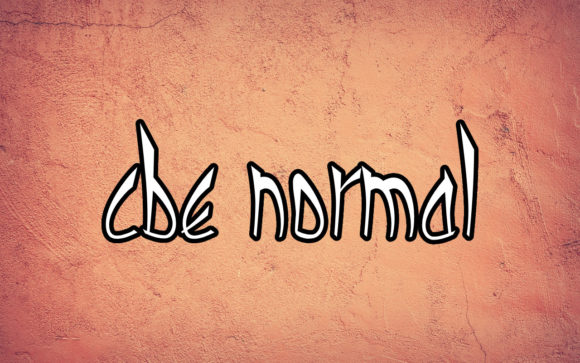
CBE Normal: A Handwritten Font for Authentic Design
There's a particular kind of design challenge that keeps showing up. You need something that feels personal—genuinely human—but also polished enough for professional use. Most handwritten fonts lean too far in one direction: either they're sloppy and illegible, or they're so refined they lose the warmth that made them appealing in the first place. CBE Normal, created by type designer Peter Wiegel, threads that needle with surprising grace.
What Makes This Typeface Tick
CBE Normal is a handwritten font that doesn't try to look like someone wrote it in a hurry. The letterforms carry a deliberate, slightly quirky personality—each character has its own subtle variations without feeling chaotic. You'll notice the strokes aren't perfectly uniform, which gives the font an organic quality that feels authentic rather than manufactured. The x-height sits comfortably in a readable range, and the overall rhythm of the typeface creates a pleasant visual flow when you set paragraphs or headlines.
What stands out is the balance between originality and usability. Some creative fonts are so distinctive they become difficult to work with across different contexts. CBE Normal avoids that trap. Its personality is clear, but it doesn't overwhelm the content it carries. The characters have enough quirk to feel handcrafted—slight irregularities in baseline, varying stroke widths, a natural informality—without sacrificing the consistency needed for longer text passages.
The font works across a surprisingly wide range of sizes. At larger scales, the individual character details become more apparent, making it effective for display use. At smaller sizes, the overall texture reads as warm and approachable without becoming muddy. That flexibility matters more than people realize when choosing a typeface for projects that need to work across multiple formats.
Where CBE Normal Belongs in Your Work
Think about the projects where you've struggled with font selection. You needed something that communicates warmth and authenticity, but the standard script fonts felt overused, and the more artistic options were impractical. CBE Normal fits into that gap naturally.
Branding and logo design benefit significantly from this kind of typeface. Small businesses, especially those in lifestyle, wellness, food, or artisan spaces, often need a brand identity that feels approachable without being amateurish. CBE Normal can serve as a primary display font for logos, packaging, and marketing materials where personality matters as much as professionalism. It pairs well with clean sans serif fonts for body text, creating visual hierarchy that feels both modern and human.
Editorial and publishing projects find a natural home here too. Magazine headers, book covers, blog graphics, and newsletter designs often need that handwritten touch to break up the visual monotony of standard typography. CBE Normal works particularly well for pull quotes, chapter titles, and accent text where you want readers to pause and engage more personally with the content.
Web design and social media graphics present another strong use case. In digital spaces where everything can feel sterile and algorithmic, a handwritten font introduces warmth that stops the scroll. Think Instagram quotes, Pinterest graphics, website hero sections, or email headers. The font's readability holds up on screens, which isn't always the case with handwritten typefaces.
Packaging design and print materials are where CBE Normal really shines. Product labels, business cards, thank-you cards, wedding invitations, menu designs—any physical item where the tactile experience matters benefits from a typeface that feels crafted rather than generated. The font's character details come alive in print, especially on textured papers or specialty finishes.
Personal and creative projects shouldn't be overlooked either. Scrapbooking, digital journaling, crafting, personalized gifts, and hobbyist design work all benefit from having a reliable handwritten font in your toolkit. CBE Normal offers enough versatility to work across these varied applications without feeling repetitive.
Working with CBE Normal in Practice
Choosing the right font is only half the equation. How you use it determines whether the design succeeds. With CBE Normal, a few practical considerations will help you get the most from the typeface.
Font pairing is essential. A handwritten font rarely works well standing entirely alone in a design. CBE Normal benefits from pairing with a structured companion—a clean sans serif like a modern geometric or humanist typeface for body copy, or a simple serif for editorial layouts. The contrast between the organic handwritten style and a more systematic font creates visual interest and maintains readability across different content types.
Test at multiple sizes before committing. Set CBE Normal at the sizes you'll actually use in your project. Check how it reads in headlines, subheadings, and any smaller accent text. Pay attention to letter spacing and line height—handwritten fonts sometimes need more generous spacing than their conventional counterparts to maintain legibility, especially in longer passages.
Consider the context and audience. CBE Normal works beautifully for projects targeting adults who appreciate craftsmanship and authenticity. It might feel out of place in corporate financial reports or highly technical documentation, but it's perfectly suited for creative agencies, boutique brands, lifestyle content, and personal projects where personality is a feature rather than a liability.
Review the available styles and character set. Before starting a project, explore what's included with the font. Check for alternate characters, ligatures, language support, and any special glyphs. Understanding the full range of what's available helps you make better design decisions and avoid surprises during production.
Licensing matters for commercial use. If you're using CBE Normal for client work, business materials, or products you sell, verify the licensing terms. Peter Wiegel has made the font available, but understanding the specific permissions—whether it covers desktop use, web embedding, or commercial applications—protects you legally and ensures your projects are properly cleared for distribution.
The real value of a font like CBE Normal lies in its ability to make designs feel considered and intentional. It doesn't scream for attention or try to be the loudest element on the page. Instead, it quietly communicates that someone cared enough to choose typography that matches the spirit of the project. In a landscape crowded with generic design assets, that kind of thoughtfulness stands out.
Whether you're building a brand from scratch, refreshing marketing materials, or simply looking for a handwritten font that actually works in professional contexts, CBE Normal deserves a place in your design toolkit. It's the kind of typeface that earns its spot through consistent, reliable performance across projects—exactly what you need from a premium font investment.