Newspaper: The Bold Display Font for Impactful Designs
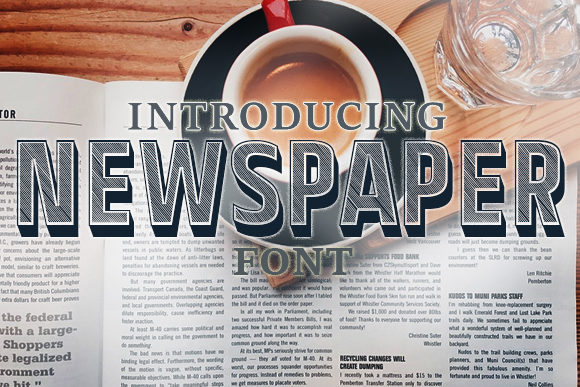
When you first encounter the Newspaper typeface, it feels familiar yet entirely new. This is a font that doesn't just sit quietly on a page; it demands attention. Designed as a premium display font, Newspaper draws inspiration from classic editorial mastheads and vintage headlines, but it executes that style with a modern, polished sharpness. It is technically a serif font, but the letterforms are constructed with such bold geometry that it feels almost like a logo design element rather than just text. The high contrast between the thick and thin strokes gives it a dramatic flair, perfect for creating visual hierarchy instantly.
For designers and business owners, understanding the personality of a typeface is crucial. Newspaper exudes confidence, authority, and a touch of vintage nostalgia. It bridges the gap between traditional editorial design and modern digital aesthetics. Whether you are a small business owner looking to create a striking menu or a graphic designer working on packaging design, this font offers a distinct voice. It is not a workhorse body text; it is a headline-grabber. The "Newspaper" style is characterized by its condensed width and sharp serifs, allowing you to stack text vertically or stretch it horizontally across a header without losing that intense, readable presence.
Why This Typeface Resonates with Modern Creatives
In the current landscape of web design and social media graphics, standing out is difficult. Many brands default to safe, generic sans serif fonts for their logos and headers, which can lead to a sea of sameness. Newspaper offers a solution to this visual fatigue. As a creative font, it brings texture and history to a design. It suggests that a brand has roots, substance, and a story to tell. This makes it an excellent choice for brand identity projects where the goal is to convey authenticity.
Consider the psychology of typography. A delicate script font might evoke femininity or elegance, while a heavy sans serif might scream corporate stability. Newspaper occupies a unique middle ground. It feels literary and intellectual, yet accessible. This makes it particularly useful for bloggers and content creators who want their headlines to look authoritative without being boring. For example, a food blogger using this typeface for their recipe titles immediately elevates the content from a casual diary entry to a professional publication. It signals to the reader that this content is curated and high-quality.
Furthermore, the versatility of this font is often underestimated. While it shines in traditional print layouts, it translates surprisingly well to digital environments. In the realm of logo design, Newspaper can be customized easily. Because the letterforms are distinct, you can remove a crossbar, play with the kerning, or combine it with a monogram to create a unique mark that no one else has. It is a typeface that invites experimentation. It works for a high-end fashion brand just as well as it does for a gritty, urban streetwear label or a cozy, rustic coffee shop.
Practical Applications: Where to Use Newspaper
Knowing a font looks good is one thing; knowing where to deploy it effectively is the real skill. Newspaper is a display font, which means it is designed for large sizes. Using it for 10-point body copy on a website would be a mistake, as the intricate details would blur together and hurt readability. However, when used correctly, it becomes a powerful tool in your design assets kit.
Food Menus and Packaging Design
If you own a restaurant, bar, or bakery, typography sets the mood before the customer tastes the food. Newspaper is perfect for the "Specials" board or the section headers of a menu. It mimics the look of vintage newspaper ads, giving your establishment a classic, established vibe. In packaging design, particularly for artisanal goods like coffee, whiskey, or handmade soaps, this font adds a layer of craft and tradition. It suggests that the product inside is made with care, much like a letterpress print.
Editorial Design and Publishing
This seems obvious given the name, but it is worth emphasizing. If you are designing a magazine, a newsletter, or a book cover, Newspaper provides that instant "publication" look. It is excellent for chapter titles, pull quotes, or feature headers. For publishers and authors, using this font on a cover can instantly categorize the genre. It works beautifully for historical fiction, mystery, or non-fiction titles that require a sense of gravity.
Web Design and Digital Marketing
In web design, contrast is key to keeping users engaged. Pairing a clean, geometric sans serif font for your body text with Newspaper for your H1 and H2 headers creates a dynamic visual rhythm. It breaks up the monotony of a scrolling page. For social media graphics, where you have only a split second to grab attention, a bold headline set in Newspaper can stop the scroll. It works particularly well for quote graphics, sale announcements, and event posters shared on Instagram or Pinterest.
Mastering Font Pairing and Hierarchy
A common pitfall for non-designers is choosing two fonts that fight for attention. Since Newspaper is a bold, high-contrast serif font, it needs a partner that can play a supporting role. The goal is to create a visual hierarchy where the headline screams and the whisper supports it.
The most foolproof strategy is to pair Newspaper with a clean sans serif font. Fonts like Helvetica, Roboto, Montserrat, or Open Sans provide a neutral background that allows the personality of Newspaper to shine. The contrast between the decorative, vintage serifs of Newspaper and the clean lines of a modern sans serif creates a professional, balanced look.
Alternatively, you could pair it with a simple handwritten font or script font for a specific aesthetic—perhaps for a wedding invitation or a boutique branding project. However, be careful here. If the script font is too ornate, the design will become chaotic. Ensure that the script is legible and distinct from the Newspaper typeface.
When using Newspaper, pay attention to spacing. Because it is a display font, it often benefits from generous letter-spacing (tracking). Giving the letters a little room to breathe can make the text feel more luxurious and easier to read at a glance. Additionally, consider the weight. If the font comes with multiple weights, use the bolder versions for massive, single-word headlines and the lighter versions for sub-headers to maintain variety without changing the typeface.
Evaluating Fit and Commercial Licensing
Before integrating Newspaper into your next project, take a moment to evaluate the fit. Does the font align with the era you are trying to evoke? If you are designing for a futuristic tech startup, a vintage-style display font might send mixed signals. However, if you are designing for a law firm, a restaurant, a lifestyle brand, or a creative agency, the timeless nature of the font is a perfect match.
It is also essential to look at the technical details. Check the character map. Does it include the special characters and glyphs you need? Does it support multiple languages if you are targeting an international audience? Good premium fonts often include stylistic alternates—different versions of letters like 'a' or 'g'—that allow you to fine-tune the look of your logo or header.
Finally, respect the licensing. If you are using this for a personal hobby project, a personal license is usually fine. However, if you are a business owner using this font on your website, on merchandise you sell, or in client work, you need to ensure you have the correct commercial license. This protects you legally and supports the typographers who created the art. Treat the font as a professional tool; it is an investment in your brand’s visual identity that pays off in recognition and engagement.