Dusty: The Heavy Distressed Font for Gritty Designs
In a world of clean vectors and perfect digital lines, sometimes a project needs to feel like it has history. It needs texture, weight, and a story etched right into its letters. This is where the Dusty typeface steps in. More than just a collection of characters, Dusty is a statement piece—a powerful, rugged display font designed to bring an immediate sense of age, grit, and authentic wear-and-tear to any creative work. Its heavy, integrated distressed texture isn't an afterthought; it's the core of its identity, making it a go-to tool for designers and creators who need their typography to have a tangible, weathered soul.
Anatomy of Grit: What Makes Dusty Stand Out
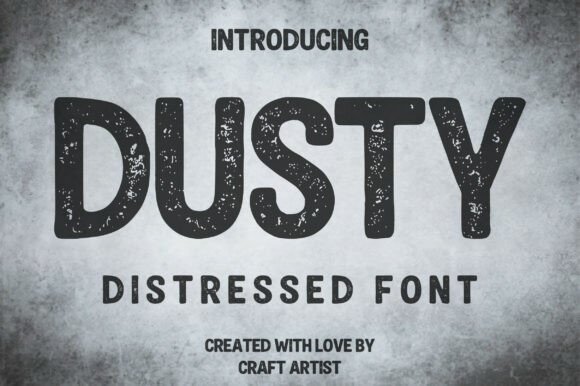
At first glance, Dusty commands attention with its bold, all-caps presence. The letterforms are built on a slightly rounded, block-like structure, a deliberate choice that provides a solid foundation for readability even as the texture dominates. This isn't a spindly, delicate face that gets lost in noise. It’s a heavyweight, designed to anchor a composition. The true magic, however, lies within the letterforms themselves. A carefully crafted, heavy distressed effect permeates every curve and angle. This isn't random digital noise; it mimics the uneven ink coverage of a vintage screen print, the pitting of a cast-iron stamp, or the subtle erosion of a hand-painted sign. The speckling and wear feel intentional and organic, giving the Dusty font a genuine, tactile quality that digital-only designs often lack.
This visual personality is incredibly versatile. It feels handmade and industrial at the same time. You can almost feel the rough paper of a vintage concert poster or the worn metal of a factory stencil when you look at it. This makes it a perfect creative font for projects that need to bypass slick modernity and connect on a more primal, nostalgic level. Whether the goal is to evoke the ruggedness of the outdoors, the authenticity of a small-batch product, or the rebellious energy of a music scene, Dusty delivers a specific and powerful aesthetic.
Practical Applications: Where Dusty Truly Shines
Understanding a font's personality is one thing; knowing where to deploy it is another. Dusty excels as a display font, meaning it’s built for impact in headlines, logos, and short bursts of text. Its strength is in titles, not body copy. Here’s where it becomes an invaluable design asset:
- Apparel and Merchandise: This is Dusty's home turf. For vintage t-shirt designs, hoodies, and caps, it provides an instant "lived-in" feel. It’s ideal for band merch, outdoor adventure brands, and any clothing line that wants to project a sense of authenticity and rugged individualism.
- Branding and Logo Design: If your brand identity is built on craft, heritage, or a hands-on approach, Dusty can be a cornerstone. Think craft breweries, specialty coffee roasters, barbecue joints, barbershops, or artisan workshops. It helps build a brand identity that feels established and trustworthy, not mass-produced.
- Packaging Design: On labels for hot sauce, whiskey, or gourmet jerky, Dusty adds a layer of perceived quality and tradition. It tells the customer that care went into the product, starting with how it looks on the shelf.
- Music and Entertainment: The gritty texture is a natural fit for grunge, rock, and Americana album art, gig posters, and social media graphics for bands. It communicates a raw, unfiltered energy that aligns perfectly with those genres.
- Signage and Environmental Graphics: For rustic signage in a café, a workshop, or a themed event, Dusty creates a convincing vintage aesthetic. It’s perfect for menu headers, wall art, and directional signs that need to feel like they've been there for decades.
- Digital Content: While a premium font like this is built for print, it translates well to digital. Use it for bold YouTube thumbnails, podcast cover art, website hero sections, or standout social media graphics where you need to stop the scroll with texture and attitude.
Using Dusty Effectively: A Designer's Guide
Deploying a font with such a strong character requires a bit of strategy. Here’s how to integrate Dusty into your workflow for maximum impact.
Evaluating Project Fit
First, ask: does this project need to feel authentic, vintage, handmade, or industrial? If the answer is a clear "yes," Dusty is a strong candidate. It would be a mismatch for a luxury skincare brand aiming for sleek minimalism or a tech startup wanting a clean, futuristic look. Its power lies in its specific personality. Don't use it just because it looks cool; use it because it serves the project's core message.
Mastering Font Pairing
Because Dusty is a high-impact display font, it needs a partner that can handle supporting roles. The key is contrast. Pair it with a clean, legible sans serif font for body copy, subheadlines, or detailed information. Fonts like Montserrat, Open Sans, or Lato work beautifully, providing clarity without competing for attention. For a different feel, a simple serif font or even a subtle script font can add elegance, but always test for readability. The rule of thumb is: let Dusty own the headline, and let its partner handle the paragraphs.
Readability and Hierarchy
Texture can sometimes compromise legibility, especially at small sizes. Always test your Dusty headlines at the intended viewing size. It’s designed to be read easily at poster or screen scale, but avoid using it for small captions or lengthy text. Use it to establish the top of your visual hierarchy—the biggest, most textured element that draws the eye first. Then, guide the viewer to cleaner, more readable text for the details.
Checking the Toolkit
A quality commercial font like Dusty often comes with more than just the basic alphabet. Check for included styles. Does it have a regular and a bold weight? Are there alternates for certain letters (like A, R, or G) to add variety? What about a set of catchwords, symbols, or ornaments? These extras can significantly enhance your designs and give you more creative flexibility within the same aesthetic.
Licensing for the Real World
Finally, if you're using Dusty for a client project, merchandise for sale, or widespread digital distribution, ensure you have the correct commercial license. Modern typography licensing can be nuanced. A desktop license covers your design work, but if you're creating products like t-shirts or mugs, you may need an extended license. Always read the terms to ensure your use is covered, protecting both you and your client.
In the end, the Dusty font is more than a typeface; it's a design shortcut to a specific, powerful aesthetic. It provides the texture and history that can take hours to create manually, allowing you to build compelling, authentic visuals with confidence. For the designer, marketer, or creator who needs to communicate grit, heritage, and hands-on quality, it’s an essential piece of the creative toolkit.