Book Signature: The Elegant Handwritten Font for Designers
In the vast landscape of digital typography, finding a font that feels both personal and professional is a rare discovery. Book Signature is one such typeface, offering a delicate, elegant, and flowing handwritten style that brings a human touch to modern design. Its well-balanced characters and graceful curves make it a versatile tool for creatives who want to communicate authenticity without sacrificing polish. This isn't just another script font; it's a design asset that can elevate a wide range of projects, from branding to personal crafts.
Understanding the Visual Personality of Book Signature
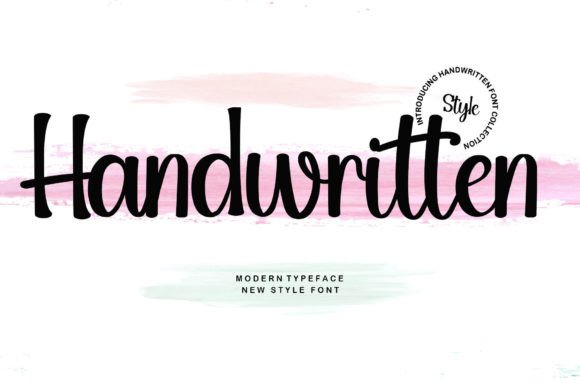
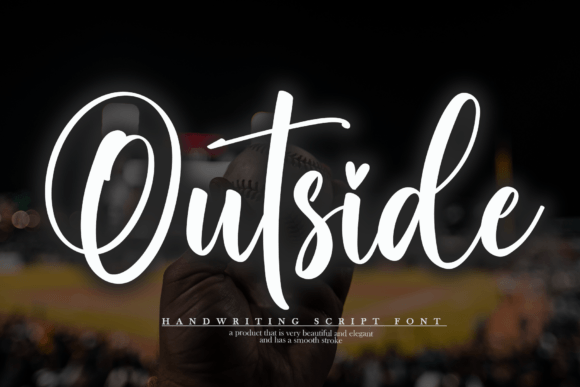
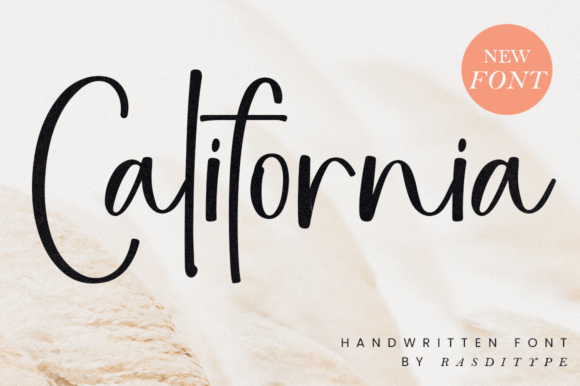
At its core, Book Signature is a premium handwritten font that mimics the fluid motion of a skilled calligrapher's pen. The strokes vary naturally in weight, creating a rhythm that feels organic and alive. Unlike some overly casual or messy script fonts, its letterforms maintain a clear legibility. The connections between characters are thoughtful, avoiding the tangled appearance that can plague other script typefaces. This careful construction gives it a sophisticated yet approachable personality. It carries the warmth of a personal note but possesses the clarity needed for commercial applications. The font often includes a full set of alternates, swashes, and ligatures, allowing designers to customize the typographic voice for each specific project.
Where This Font Truly Shines in Creative Projects
The true value of a creative font like Book Signature lies in its application. It excels where a human element is paramount. For logo design, it can create a memorable and distinctive brand mark for boutique businesses, artisanal products, or personal brands. Think of a wedding planner, a custom jewelry maker, or a high-end bakery—their logos can instantly convey care and craftsmanship using this typeface.
In editorial design and publishing, Book Signature is perfect for book covers, chapter headings, or pull quotes that need to stand out from body text set in a serif font or sans serif font. It adds a layer of emotional resonance to narratives, making it ideal for memoirs, poetry collections, or lifestyle magazines. For packaging design, it can grace labels, tags, and boxes, suggesting a product made with attention to detail.
The digital realm offers even more opportunities. As a display font, it commands attention on websites for hero sections, call-to-action buttons, or special announcements. Its flowing nature translates beautifully to social media graphics, creating Instagram stories, quote cards, and promotional posts that feel personal and engaging. For bloggers and content creators, using Book Signature in headers or featured images can help establish a consistent and recognizable visual style across their platform.
How Typography Influences Perception and Engagement
Choosing a typeface is a strategic decision that impacts how an audience perceives a message. The font you select is a silent ambassador for your brand's identity. A flowing script font like Book Signature can influence several key aspects of communication:
- Brand Perception: It suggests elegance, creativity, and a personalized approach. It can make a brand feel more human and less corporate.
- Visual Hierarchy: When paired effectively with a cleaner typeface, Book Signature can create a strong contrast, guiding the viewer's eye to the most important information.
- Audience Engagement: The personal feel of a handwritten font can create an emotional connection, making content more relatable and memorable.
- Professionalism: When used correctly and sparingly, it demonstrates thoughtful design, enhancing rather than undermining a project's credibility.
The key is balance. Overusing such a distinct font can overwhelm a design and harm readability. Its strength is as an accent, a headline, or a focal point, not as the body copy for a lengthy article.
Practical Guidance for Selecting and Using Book Signature
Before integrating any commercial font into your workflow, a practical evaluation is essential. Here’s how to approach Book Signature:
- Evaluate the Project Fit: Ask what emotion or tone you need to convey. Is it warmth, luxury, whimsy, or sophistication? Book Signature leans toward elegant and sophisticated warmth. If your project demands a stark, minimalist, or highly technical feel, another font category might be better.
- Test Readability in Context: Always test the font at the size it will be used. A headline on a poster has different requirements than a subtitle on a mobile screen. Check the legibility of its trickier characters, like lowercase 'e' or 'a', and ensure connected letters don't create confusion.
- Explore Font Pairings: The best font pairing often involves contrast. Book Signature pairs beautifully with a clean, geometric sans serif font like Montserrat or a traditional, sturdy serif font like Lora. The contrast allows each typeface to play its role without competing.
- Review Included Styles: A robust premium font family often includes multiple weights (like Regular and Bold) or stylistic alternates. Explore these options. You might use a lighter weight for delicate invitations and a bolder weight for impactful logo work.
- Understand the License: For any commercial font, review the licensing terms. Ensure it covers your intended use, whether for a client's logo, print-on-demand merchandise, or digital advertising. This protects both you and your client.
Real-World Examples and Final Thoughts
Imagine a boutique hotel's welcome letter set in Book Signature—it instantly feels more personal and luxurious. Picture a recipe blog using it for chapter titles; it evokes the handwritten notes of a family cookbook. Consider a consultant using it in their presentation deck to highlight key insights; it adds a layer of approachable authority.
Ultimately, Book Signature is more than just a collection of beautiful letters. It's a tool for storytelling. In the hands of a thoughtful designer, marketer, or creator, it can help build a stronger brand identity, create more engaging content, and add a layer of human elegance to the digital world. Its versatility across print and digital makes it a valuable addition to any designer's toolkit, provided it is used with intention and an understanding of its unique personality. By focusing on its strengths—elegance, flow, and balance—you can harness its power to make your next project not just seen, but felt.