Anguish: Mastering the Vintage Blackletter Typeface
The Enduring Power of Bold Typography
In a digital landscape saturated with minimalist sans-serifs and generic geometric shapes, there is a growing hunger for design that feels tangible, historical, and deeply human. We are seeing a resurgence in work that embraces texture, grit, and heritage. This shift is not just a trend; it is a reaction against the sterile perfection of modern UI design. For designers, marketers, and brand strategists, the challenge lies in finding a typeface that captures this vintage essence without sacrificing legibility or professional polish. This is precisely where Anguish enters the conversation. It is not merely a font; it is a distinct statement piece that bridges the gap between medieval manuscript tradition and contemporary graphic design.
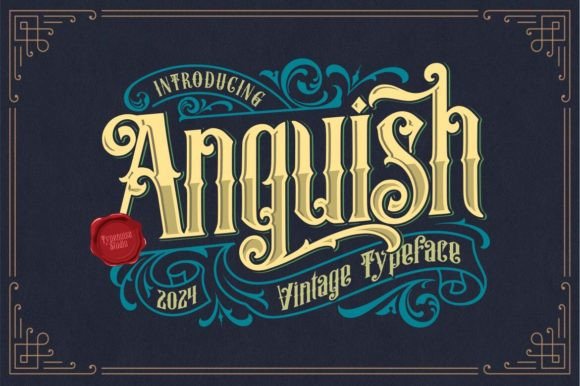
When you first encounter Anguish, the immediate impression is one of weight and history. It is a blackletter typeface, a category often associated with Old English texts and German fraktur. However, Anguish separates itself from the pack through a unique visual personality. It possesses a strong, classic vibe, yet it avoids the overly ornate and sometimes illegible flourishes of traditional calligraphy. Instead, it offers a cleaner, more structured interpretation of the blackletter style. The strokes are bold and confident, providing a "vintage" feel that looks authentic rather than forced. It balances the heavy, dark texture of gothic script with a rhythm that feels surprisingly modern. This makes it an incredibly versatile display font for projects that need to command attention immediately.
Visual Anatomy and Personality
Understanding the anatomy of Anguish is key to using it effectively. The typeface features the high contrast between thick and thin strokes typical of blackletter fonts, but the terminals and joints are refined for a sharper, more industrial aesthetic. It avoids the heavy "fraying" you might see in distressed grunge fonts, opting instead for a solid, structured foundation. This gives the font a sense of authority and durability.
The personality of Anguish is undeniably bold. It speaks of tradition, rebellion, and craftsmanship all at once. In the world of logo design, this translates to instant recognition. A brand using Anguish signals that it values heritage and authenticity. It is a font that feels "earned"—it suggests a history of quality, whether that history is real or simply evoked by the typography. It is a premium font choice for creatives who want to move away from the ephemeral nature of current trends and tap into something more permanent.
Strategic Applications Across Industries
The utility of Anguish extends far beyond simple novelty. Its strong silhouette makes it a powerhouse for various creative applications. Here is where this typeface truly shines in real-world scenarios:
- Branding and Identity: For businesses in the brewing, barbering, tattoo, or artisanal food industries, Anguish is a natural fit. It helps build a brand identity that feels established and trustworthy. It works exceptionally well for logos, wordmarks, and monograms where the text needs to be the focal point.
- Editorial and Publishing: In editorial design, drop caps are a classic technique to anchor a page. Anguish provides a dramatic, high-impact opening for magazine articles, book chapters, or blog posts. It is equally effective for book covers, particularly in the fantasy, horror, or historical fiction genres, where the typography sets the mood before the reader even turns the page.
- Merchandise and Apparel: The apparel industry thrives on creative fonts that look good on fabric. Anguish has the visual weight to hold up on t-shirts, hoodies, and hats. Its vintage vibe pairs perfectly with screen printing techniques and distressed textures.
- Packaging Design: In packaging design, shelf appeal is everything. A product wrapped in Anguish typography stands out against competitors using standard sans serif fonts. It suggests a hand-crafted or small-batch quality that consumers increasingly value.
- Digital and Social: While blackletter fonts can be tricky on the web, Anguish works beautifully for social media graphics and headers. It is perfect for creating "thumb-stopping" content on Instagram or Pinterest where a bold visual hook is required. However, for web design, it should be reserved for large headlines or hero images rather than body text.
Mastering Font Pairings and Hierarchy
One of the most common pitfalls with display fonts is poor pairing. Because Anguish has such a strong personality, it requires a supporting cast that complements rather than competes. The goal is to create a clear visual hierarchy.
Since Anguish is a decorative blackletter, it pairs best with clean, neutral typefaces. A geometric sans serif font like Montserrat or Futura provides a modern counterpoint to the vintage feel of Anguish. This contrast allows the headers to pop while keeping the supporting text highly readable. Alternatively, pairing it with a classic serif font like Garamond or Georgia can lean into the historical aesthetic, creating a layout that feels like a vintage document or a high-end editorial spread.
When evaluating your project for this font, consider the readability requirements. Anguish is a display font, meaning it is designed for large sizes. Never use it for body copy or small captions; the intricate details of the letterforms will blur together and frustrate your audience. Use it for headlines, logos, and short, punchy phrases. For everything else, rely on a legible script font, handwritten font, or standard serif/sans-serif for the body text.
Practical Evaluation and Licensing
Before integrating any new asset into your workflow, a practical evaluation is necessary. When testing Anguish, pay attention to the kerning (the space between letters). Blackletter fonts often require manual adjustment to ensure the letters lock together visually. Check if the commercial font license covers your specific needs—whether it is for physical products, digital goods, or client work.
Look at the included character map. Does the font offer alternates, ligatures, or swashes? These extra glyphs are invaluable for logo design, allowing you to customize the lettering so it feels unique to the specific brand. A premium font like Anguish often includes these extras to help you avoid a "cookie-cutter" look.
Ultimately, Anguish is more than just a set of letters; it is a tool for storytelling. It allows designers to inject a sense of history, drama, and craftsmanship into their work. Whether you are designing a tattoo flash sheet, a brewery logo, or a vintage-style poster, Anguish provides the structural foundation to make your creative vision a reality. By respecting its visual weight and pairing it wisely, you can leverage this typeface to create designs that are not only beautiful but deeply resonant with your audience.