The Enduring Allure of the Vogue Font: A Designer's Guide
There's a certain kind of magic in typography that can instantly transport a design from the everyday to the extraordinary. It’s the difference between a simple announcement and a bold declaration. The Vogue typeface is a perfect embodiment of this principle. Inspired by the iconic lettering of the world's most influential fashion magazine, this premium font carries an inherent sense of sophistication, elegance, and high style. It’s not just a collection of letters; it’s a statement piece for your creative toolkit.
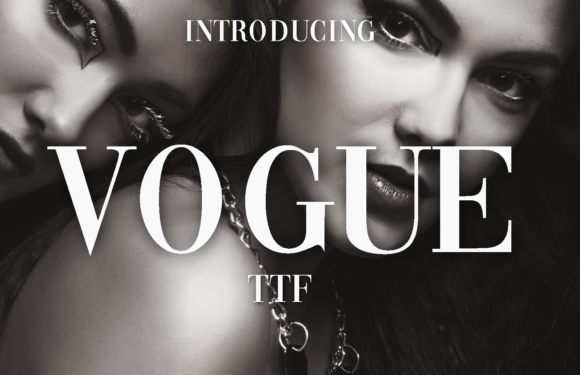
As a designer, I reach for fonts like Vogue when a project demands a specific, elevated mood. It’s a display font at its core, meaning its strength lies in making a big impact in smaller doses. Think of it as the perfect accessory—the statement necklace or the classic watch that completes an outfit. Its visual characteristics are defined by clean, geometric lines, often with a high contrast between thick and thin strokes, and an unmistakable Art Deco influence. This gives it a personality that is both modern and timelessly classic, authoritative yet approachable.
Where Vogue Truly Shines: Applications That Demand Elegance
Understanding where a font works best is key to using it effectively. The Vogue typeface excels in applications where first impressions and brand perception are paramount. Its inherent style makes it a natural fit for the fashion, beauty, and luxury goods industries, but its versatility extends far beyond that.
- Logo Design & Brand Identity: For brands aiming to project an image of sophistication, confidence, and modern elegance, Vogue is an exceptional choice for a primary logo or a stylized wordmark. It immediately sets a tone of quality and taste.
- Editorial & Publishing: This is where the font’s heritage truly shows. It’s perfect for magazine mastheads, book covers, chapter titles, and pull quotes. It lends a professional, curated feel to any publication, from a high-end lookbook to a personal blog header.
- Packaging Design: On a shelf crowded with products, packaging using the Vogue font stands out. It’s ideal for cosmetic boxes, perfume bottles, gourmet food labels, and boutique product tags, communicating a sense of premium quality before the customer even touches the product.
- Digital & Web Design: While primarily a display font, Vogue can be used strategically on websites for hero text, key headlines, and call-to-action statements. It grabs attention and establishes a strong visual hierarchy, guiding the user’s eye to the most important information.
- Marketing & Social Media: In the fast-scrolling world of social media, a striking headline is everything. Use Vogue for Instagram story headers, Pinterest pin titles, Facebook ad graphics, and email newsletter subject lines to increase engagement and convey a polished brand image.
The Psychology of Style: How Vogue Influences Perception
A typeface does more than just spell out words; it communicates feeling. The Vogue font’s clean geometry and elegant proportions have a direct impact on how an audience perceives a message. Its high-contrast letterforms guide the eye, creating a natural visual hierarchy that makes layouts feel organized and intentional. This improves readability for key headlines, even though it’s not intended for long-form body text.
Consistency is the bedrock of a strong brand identity. By incorporating a distinctive font like Vogue into your design assets, you create a recognizable visual thread that runs through all your materials—from your website to your business cards to your social media graphics. This consistency builds trust and professionalism. When a customer sees your brand, the consistent use of a typeface like Vogue subconsciously signals reliability and attention to detail, which are crucial for brand recognition and audience engagement.
A Practical Guide to Working with the Vogue Typeface
Choosing and implementing a font like Vogue requires a thoughtful approach. It’s a powerful tool, but like any tool, its effectiveness depends on how you use it. Here’s some practical guidance for designers, entrepreneurs, and creators.
Evaluating Project Fit and Font Pairing
Before you commit, ask yourself: Does my project’s personality align with the font’s? If you’re designing for a playful children’s brand or a rugged outdoor company, Vogue’s elegance might feel out of place. However, for a wedding invitation, a law firm’s letterhead, or a tech startup’s sleek presentation, it could be perfect.
The real skill lies in font pairing. A display font like Vogue should be balanced with a more neutral, highly readable typeface for body copy. A classic sans serif font (like Helvetica, Futura, or a clean geometric sans) often creates a beautiful, harmonious contrast. A simple, modern serif font can also work, provided it doesn’t compete for attention. The goal is to let Vogue be the star of the show while its supporting cast does the heavy lifting for paragraphs of text.
Reviewing Styles and Licensing
Many premium fonts come in a family with various weights and styles. Check if the Vogue font you’re considering includes options like light, regular, bold, or italic versions. These variations give you more flexibility to create nuanced typographic hierarchies within your design.
Crucially, you must understand the commercial licensing. If you’re using the font for a client project, a product you sell, or a business website, you need a commercial license. Always purchase your fonts from reputable foundries or marketplaces to ensure you have the legal right to use the work and that you’re supporting the type designers who created it. This is a non-negotiable part of professional practice.
The Importance of Testing
Never choose a font based on its specimen sheet alone. Always test it in the context of your actual project. Set your real headlines, see how the letterforms interact, and check the spacing (kerning and tracking) at the sizes you’ll be using. Does it maintain its clarity on a mobile screen? Does it print crisply at a small size on a business card? This hands-on evaluation is the final, most important step in ensuring the Vogue typeface will deliver the impact and elegance your project deserves.