Refreshing Your Creative Toolkit with Lemongrass
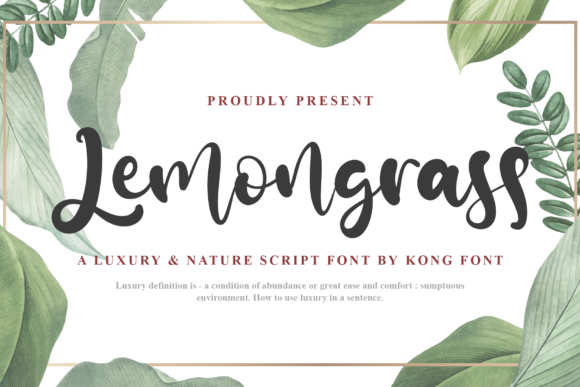
Every so often, a project lands on your desk that demands more than just standard text—it calls for a voice. You might be designing a wedding invitation, branding a boutique skincare line, or mocking up social media graphics for a weekend market. In these moments, rigid geometric typefaces feel cold and lifeless. You need something with warmth, energy, and a human touch. Enter Lemongrass, a modern handwritten script font that captures the essence of casual elegance without sacrificing legibility. It’s a typeface that feels like a conversation rather than a lecture, making it a versatile addition to any designer’s library.
Created by the team at Kong Font Studio, this typeface isn't just about mimicking cursive; it’s about injecting personality into your layouts. If you’ve ever struggled to find a handwritten font that doesn't look like a doctor’s prescription or a child’s homework, you will appreciate the balance struck here. Lemongrass offers a fluid, bouncy baseline with a contemporary edge. It feels organic and fresh, much like the herb it is named after.
Understanding the Visual Personality
At its core, Lemongrass is a display font. This means it shines brightest when used for headlines, logos, and short bursts of text where you want to grab attention. Visually, it features smooth curves and a slight slant that suggests movement. It avoids the heavy loops and swashes that can make other script fonts difficult to read on screens. Instead, it opts for clean connections between letters, ensuring that the text flows naturally.
The charm of this script font lies in its imperfections. It mimics the natural pressure and flow of a marker or brush pen, giving it an authentic, hand-lettered feel. This is crucial for brands that want to appear approachable and genuine. In the world of modern typography, authenticity sells. Whether you are working on packaging design for artisanal goods or creating digital stickers for planning apps, the playful nature of Lemongrass adds a layer of tactile realism that digital text often lacks.
Where Lemongrass Truly Shines
One of the biggest challenges in design is finding a typeface that translates well across different mediums. A font that looks great in print might turn into a jagged mess on a website. Lemongrass, however, is surprisingly adaptable. Because it is a premium font designed with high-quality vector paths, it maintains its integrity whether you are scaling it up for a poster or shrinking it down for a business card.
For crafters and small business owners, the compatibility with tools like Silhouette Design Studio and Photoshop is a major plus. If you are cutting vinyl decals or designing heat transfers for apparel, you need a font with clean nodes that won't make your cutting machine stutter. Lemongrass handles these technical requirements with ease, making it a reliable design asset for physical production.
- Branding and Identity: It is an excellent choice for logo design in niche markets. Think yoga studios, coffee roasters, or lifestyle blogs. It helps build a brand identity that feels personal.
- Publishing and Editorial: Use it for pull quotes, chapter titles, or magazine covers. In editorial design, contrast is key. Pairing Lemongrass with a clean sans serif font creates a striking visual hierarchy.
- Digital and Web: While not suited for body copy, it works beautifully for hero images and call-to-action buttons in web design. It draws the eye without being overwhelming.
- Event Stationery: From save-the-dates to menu cards, its playful vibe sets a welcoming tone for guests.
Strategic Pairings and Hierarchy
Using a creative font like Lemongrass requires a bit of strategy. You cannot simply drop it into a document and expect it to do all the heavy lifting. The real magic happens when you pair it with the right supporting typeface. Because Lemongrass has a distinct personality, it needs a partner that is more subdued.
A classic approach is to pair this handwritten font with a geometric sans serif font. The clean lines of the sans serif provide a resting place for the eyes, allowing the energetic nature of Lemongrass to pop without causing visual fatigue. Alternatively, you could pair it with a sturdy serif font for a look that blends traditional elegance with modern flair. This combination works exceptionally well for high-end branding or editorial design where you want to bridge the gap between classic and contemporary.
When establishing your visual hierarchy, use Lemongrass for your primary message—the "Hook." Use your secondary font for the details—the "Information." This ensures that your audience engages with the most important part of your message first, then reads the supporting details comfortably.
Practical Tips for Implementation
Before you finalize a design using this typeface, it is always wise to test it in context. Here are a few practical recommendations for getting the most out of Lemongrass:
- Check Your Kerning: While the font is well-designed, specific letter combinations in your copy might need manual kerning adjustments, especially for large logos. Pay attention to the spacing between vowels and consonants to ensure a smooth flow.
- Size Matters: As a display font, Lemongrass is not intended for long paragraphs of body text. Using it at small sizes will result in a loss of legibility. Keep it for headlines, sub-headers, and accents.
- Color and Contrast: Handwritten scripts often have thinner strokes than blocky sans serifs. Ensure you have sufficient contrast between your text color and background. Avoid placing it over busy photographic backgrounds without a solid overlay or drop shadow to help it stand out.
- Commercial Licensing: If you are using this for a client or selling products featuring the text, always verify the license. You can review the specific terms and download options at Kong Font Studio.
Adding Value to Your Creative Projects
In a saturated market, the details make the difference. The fonts you choose signal to your audience what kind of brand you are. Choosing a generic, default font suggests a lack of attention to detail. Choosing a thoughtful, high-quality script font like Lemongrass suggests that you care about aesthetics and user experience.
Whether you are a graphic designer working on a client brief, a marketer crafting an email campaign, or a hobbyist making gifts for friends, having a versatile creative font in your toolkit is essential. Lemongrass offers that perfect blend of playfulness and professionalism. It doesn't take itself too seriously, yet it commands attention. It’s a reminder that modern typography is not just about reading words; it's about feeling them.
By integrating Lemongrass into your workflow, you are not just choosing a typeface; you are choosing a tone of voice. It’s a tool that helps bridge the gap between digital precision and human warmth, making your designs feel more relatable and effective.