Bringing Playful Energy to Your Projects with Magic Unicorn
There is a specific moment in every design project where the typography has to do more than just sit there looking pretty. It has to speak. When you are working on materials for children, educational products, or brands that rely on a sense of joy and whimsy, standard corporate typefaces often fall flat. You need something that carries personality in its very curves and strokes. That is where Magic Unicorn enters the conversation. It is not just a font; it is a mood setter. As a display font, it commands attention with a charm that feels authentic rather than manufactured, making it a standout choice for anyone looking to inject a bit of fun into their visual assets.
Understanding the Visual Personality
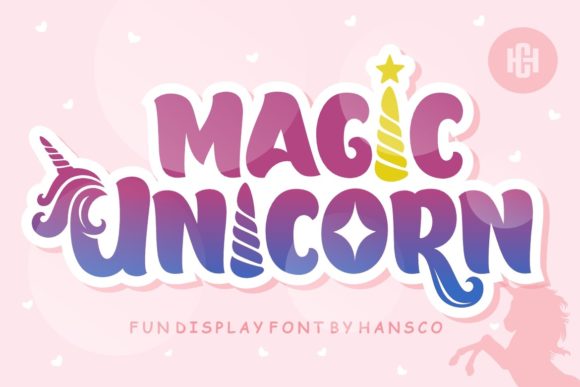
When you first look at Magic Unicorn, the immediate takeaway is its warmth. It is designed to be jolly and incredibly charming, avoiding the harsh edges often found in geometric sans serif fonts. Instead, it embraces a soft, approachable aesthetic that feels handcrafted. This isn't the rigid typography you would find on a legal contract; this is the typeface you want on a birthday invitation or a kindergarten classroom poster. The visual characteristics lean toward a rounded, bubbly structure that mimics the natural imperfections of hand lettering. This gives the text a human touch, which is crucial for building trust and relatability with a younger audience or parents looking for friendly brands.
The appeal lies in its versatility within the "fun" category. While some playful fonts can look amateurish or chaotic, Magic Unicorn maintains a sense of professionalism. It balances playfulness with readability. The letter spacing is generally generous enough to ensure legibility even at smaller sizes, though it truly shines as a headline typeface. Whether you are a crafter designing vinyl decals or a small business owner creating packaging for a toy, the font’s personality helps bridge the gap between professional design and childlike wonder.
Real-World Applications for Creatives and Brands
For designers and entrepreneurs, choosing the right font is about context. Magic Unicorn excels in environments where engagement is the primary goal. In editorial design, particularly for children’s magazines or activity books, this font can guide the reader’s eye to key headings and fun facts. It works exceptionally well for packaging design for products like candy, toys, or stationery. The font’s inherent charm suggests that the product inside is just as delightful as the wrapper.
Digital spaces also benefit from this typeface. In web design, using Magic Unicorn for hero sections or call-to-action buttons on sites dedicated to family activities can increase click-through rates simply because it feels more inviting than a standard sans serif font. For social media graphics, where you have split seconds to capture attention, the distinctiveness of this font helps your posts stand out in a crowded feed. It is a premium font choice that signals quality, distinguishing your brand from generic competitors who rely on overused system fonts.
Furthermore, consider the impact on brand identity. If you are building a brand centered around education, creativity, or family life, consistency is key. Using Magic Unicorn across your logo, website, and printed materials creates a cohesive visual language. It tells your audience exactly what to expect from your brand: fun, safety, and authenticity.
Strategic Typography: Pairing and Hierarchy
Using a display font effectively requires a bit of strategy, particularly regarding visual hierarchy. Magic Unicorn is a heavy lifter for headlines, but you shouldn't ask it to do all the work. A common mistake is setting body text in a display font, which can tire the reader's eyes. Instead, pair Magic Unicorn with a clean, legible body font. A simple sans serif font or even a classic serif font can provide the necessary contrast. The display font grabs the attention, while the body font delivers the information clearly.
When testing font pairings, look for contrast in weight and style. Because Magic Unicorn has a lot of character, the supporting font should be relatively neutral. This ensures that the design doesn't become visually cluttered. Think of the supporting typeface as the stage crew that makes the star look good. This approach ensures your design assets look polished and intentional, rather than chaotic.
Practical Guide to Implementation and Licensing
Before you finalize your design, it is essential to evaluate the technical aspects of Magic Unicorn. First, check the included styles. Does the font family include variations like bold or italic? Understanding these options allows you to create subtle nuances in your text without breaking the visual consistency of the font family.
Readability is your next checkpoint. Always test the font at the size it will be viewed. A font that looks great on your 27-inch monitor might be illegible on a mobile screen if the x-height is too low or the counters (the enclosed spaces in letters like 'o' and 'a') are too tight. Magic Unicorn generally performs well in this regard, but context matters. Print a test page if you are working on physical products like flyers or booklets.
Finally, we must address the business side: commercial font licensing. This is an area where many creators slip up. If you are using Magic Unicorn for a client project, a commercial product, or a logo, ensure you have the correct license. "Free for personal use" does not cover commercial applications. Investing in the proper license protects you legally and supports the type designers who create these high-quality tools. It is a small cost for the value and professionalism the font adds to your project.
Final Thoughts on Creative Fonts
In a world of rigid corporate aesthetics, Magic Unicorn offers a breath of fresh air. It is a tool that allows designers, marketers, and hobbyists to communicate on a more emotional level. Whether you are crafting a logo for a new daycare center or designing a poster for a school fundraiser, this creative font